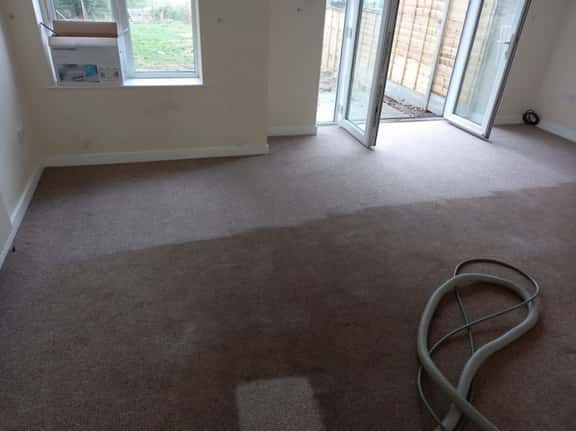
Carpets can collect a considerable amount of everyday soil before they appear visibly dirty. Fine dust, outdoor particles, food residue and other contaminants gradually settle between the fibres, where ordinary vacuuming may no longer remove them effectively.
Because this build-up develops slowly, homeowners often become accustomed to changes in their carpets. Recognising the early signs that a deep clean is needed can help restore their appearance, improve freshness and prevent embedded dirt from continuing to affect the pile.
How Can You Tell When a Carpet Needs Professional Cleaning?
A carpet does not need to be heavily stained before professional cleaning becomes worthwhile. Its condition should be judged by how it looks, smells and feels, as well as how it responds to normal household maintenance.
Common warning signs include:
- Colours appearing dull or uneven
- Traffic routes becoming increasingly visible
- Unpleasant or persistent odours
- Spots returning after household cleaning
- Fibres feeling stiff, flat or rough
- Dust becoming noticeable soon after vacuuming
- The carpet looking darker around entrances and furniture
- General freshness not improving after routine cleaning
The presence of several of these signs usually indicates that soil has moved below the upper surface and into the carpet pile.
The Original Colour Looks Dull
Gradual discolouration is one of the clearest signs of embedded dirt. The change may be difficult to notice because it occurs over months rather than suddenly.
Comparing exposed areas with carpet beneath furniture can reveal how much the visible sections have changed. If protected areas look noticeably brighter, the rest of the carpet may be holding a layer of fine soil that vacuuming cannot fully lift.
Professional deep cleaning works through the pile to remove this build-up rather than simply improving the surface appearance.
Walkways Have Become Clearly Defined
Certain areas receive far more use than others. Hallways, doorways, the space in front of sofas and routes between rooms can develop darker or flatter tracks.
These traffic lanes form as repeated foot movement presses soil against the fibres. Oils transferred from footwear and bare feet can also cause new particles to adhere more readily.
Vacuuming may remove loose debris, but it will not always release material that has bonded to the pile. A suitable deep-cleaning method can address the embedded soil and improve the consistency of the carpet’s appearance.
Odours Return Soon After the Room Is Freshened
Persistent odours may originate from substances held within the carpet rather than from the room itself. Spilt drinks, food residue, damp footwear and everyday household activity can all leave particles within the fibres.
Air fresheners may temporarily mask the smell, but they do not remove its source. If an odour returns shortly after ventilation or surface cleaning, deeper treatment may be required.
The type of contamination should be identified so that an appropriate cleaning process can be selected. Applying excessive moisture or an unsuitable household product can sometimes make the problem harder to resolve.
Stains Keep Reappearing
A mark that returns after cleaning may not have been fully removed. Residue can remain deeper in the pile and move back towards the surface as the carpet dries. Cleaning products left in the fibres may also attract fresh dirt, causing the treated area to darken again.
Professional cleaning aims to treat both the visible mark and the material beneath it. The fibre type, stain source and previous treatments all affect the method used, which is why a standard approach is not suitable for every carpet.
Prompt attention usually gives a stain less time to spread or become firmly established.
The Carpet Feels Flat or Coarse
Embedded soil can affect the way a carpet feels underfoot. Fine abrasive particles work between the fibres, while residue from spills or cleaning products can leave the pile stiff or sticky.
Flattening can also result from wear and furniture pressure, so cleaning cannot reverse every change. However, when compacted soil is contributing to the problem, deep cleaning may help release the pile and restore a softer, more even texture.
A professional inspection can distinguish between soiling that can be treated and permanent wear that cleaning will not remove.
Vacuuming No Longer Produces a Fresh Result
Regular vacuuming is essential for removing loose dust, crumbs and surface debris. It does not, however, wash the fibres or extract all compacted material from deeper within the carpet.
If a room still looks dull or smells stale immediately after thorough vacuuming, the carpet may have reached the point where routine care is no longer sufficient. This is especially likely in busy households, entrance areas and rooms used every day.
Deep cleaning complements vacuuming rather than replacing it. Continued routine maintenance after professional treatment helps preserve the result.
Dust Appears Soon After Cleaning
When dust quickly returns to nearby surfaces, the carpet may be holding a significant amount of fine particulate matter. Movement across the room can disturb particles embedded in the pile and release some of them back into the surrounding area.
This sign should be considered alongside the cleanliness of upholstery, curtains and other soft furnishings, as carpets may not be the only source. If the carpet has not been professionally cleaned for a considerable period, however, deep extraction can remove material that an ordinary vacuum has left behind.
Recent Household Activity Has Increased Soiling
Some carpets need attention because of a particular period of heavy use rather than obvious staining. Decorating, building work, frequent visitors, muddy conditions or moving furniture can introduce dust and debris throughout the pile.
A carpet may also benefit from deep cleaning after accidental spills or extended periods of increased foot traffic. Addressing widespread soiling together can produce a more consistent result than repeatedly treating isolated patches.
Why the Correct Cleaning Method Matters
Carpets vary in fibre, construction, colour stability and condition. A method suitable for one carpet may be inappropriate for another. Before cleaning begins, the carpet should be assessed and tested so that the treatment matches its requirements.
Professional cleaning also involves controlled application and effective extraction. Using too much product can leave residue, while excessive moisture may extend drying time. Correct preparation and equipment help achieve a thorough result without unnecessary treatment.
For homes in Brighton, Sussex, this tailored approach ensures that cleaning is based on the carpet’s actual condition rather than a generic process.
Conclusion
Your carpets may need a deep clean when their colours appear dull, traffic routes remain visible, odours return or stains repeatedly reappear. A coarse texture, rapid dust build-up and poor results from vacuuming can also indicate that soil has settled deep within the fibres.
Professional carpet cleaning removes more than visible surface dirt and should be matched carefully to the carpet’s material and condition. K&S Carpet Cleaning Brighton provides professional carpet cleaning for homes in Brighton, Sussex. If your carpets no longer respond to routine maintenance, contact the team to arrange an assessment and suitable deep cleaning.
Call us on: 01273 092 698
Click here to find out more about K&S Carpet Cleaning Brighton
Click here to complete our contact form and see how we can help with your carpet needs.